 Language
 Language
Artz Master Cabinet Sdn.Bhd.
Add: Lot 11936, Jalan Perajurit 1, Telok Gong, 42000 Port Klang, Selangor Darul Ehsan, Malaysia.
Email: sam@artzmaster.com
Why Choose Us?
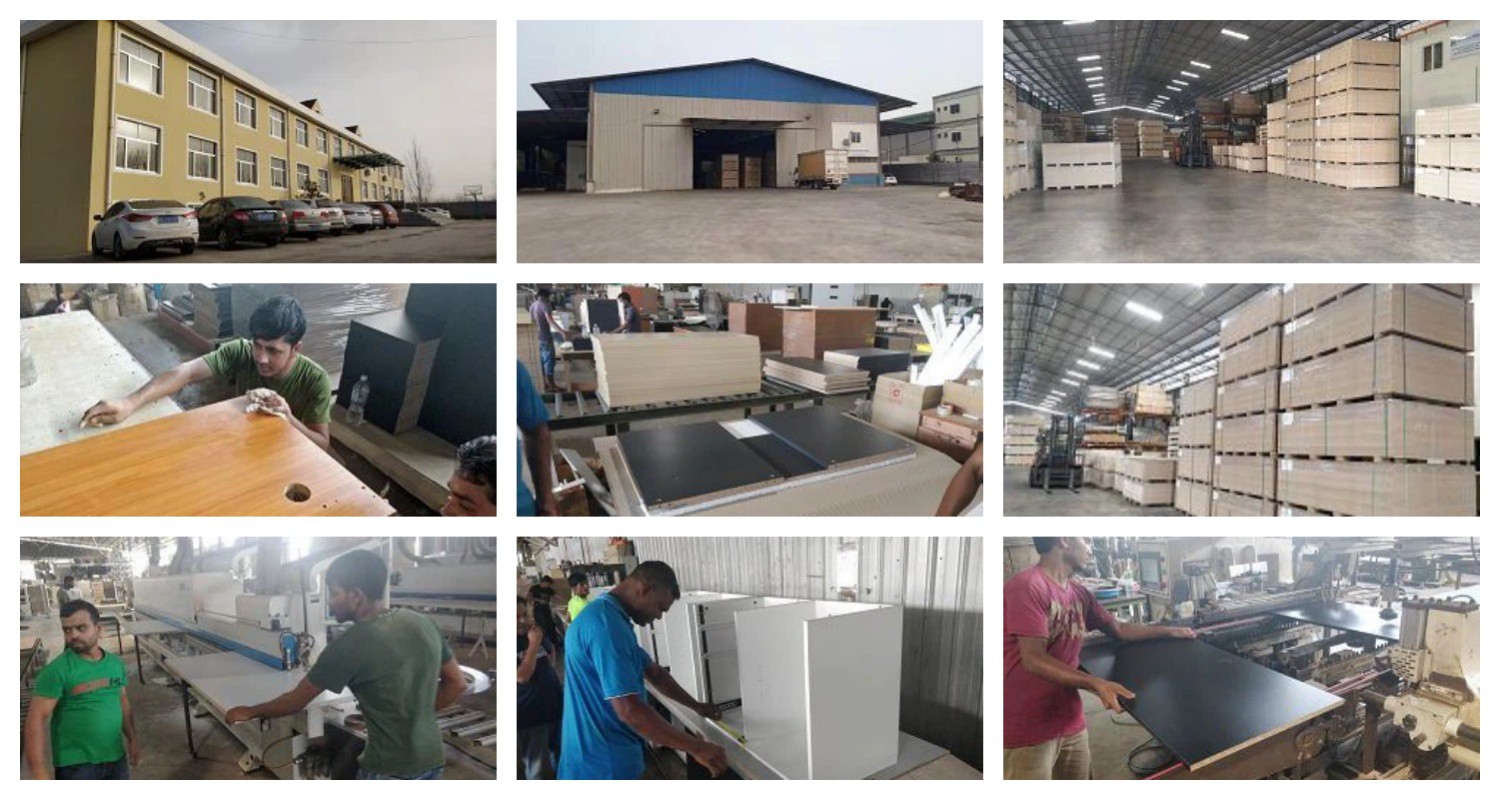
Artz Master Sdn. Bhd. is a professional manufacturer and supplier of kitchen cabinets. We have 2 factories, namely a veneer lamination factory and a mechanical processing factory, which are located in Malaysia with a total area of 200,000 square feet. Our professional team consists of 120 employees with many years of experience in cabinet product export as well as hot melt melamine pressing equipment, which can provide our customers with mass customization without being limited by the size of the project.
Well Equipped
Our factory is equipped with complete production equipment, including CNC punching, heavy-duty automatic edge banding lines and various design software, and can independently complete processes such as product modeling, machine interconnection, communication and product manufacturing.
Quality Guaranteed
We provide boards with seamless edge sealing to improve product standards. All products have passed ISO and JIS certification and obtained CARB P2 certificate to ensure that the materials are environmentally friendly.
Wide Range of Products
We have a wide range of products such as flat panel based furniture including kitchen cabinets, bathroom vanities, wardrobes, office furniture, living room furniture, etc.
Good Reputation
Most of our products are exported to the United States, Canada, Australia and Europe and have won high praise from customers because of their excellent quality.
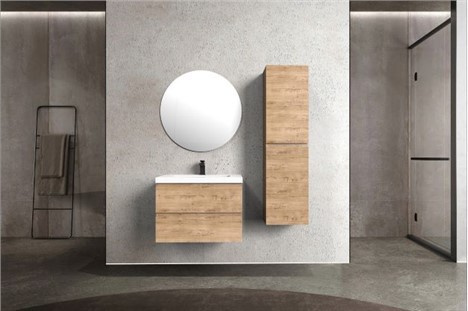
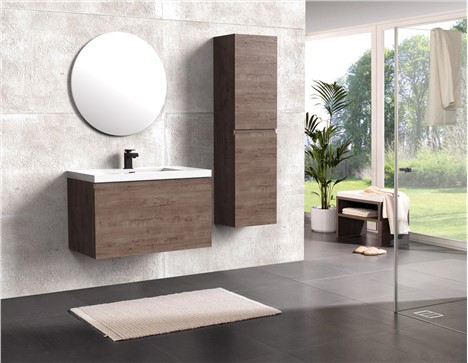
Quality And Popular Floating Vanity
Https://www.artzmaster-home.com/bathroom-vanity/
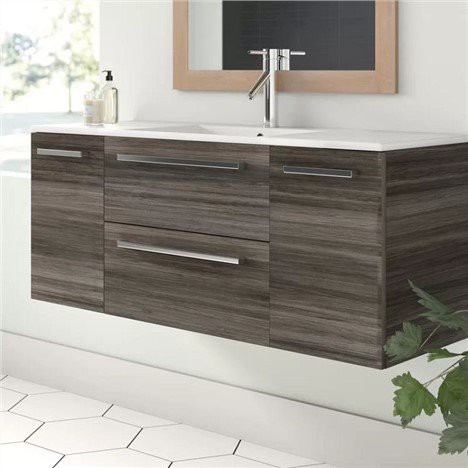
European Bathroom Vanities
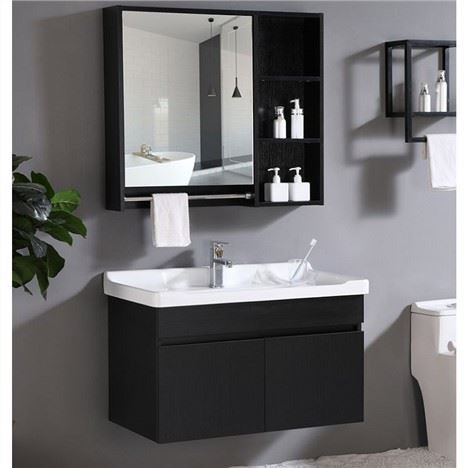
High Gloss Acrylic Vanity Bathroom Cabinets
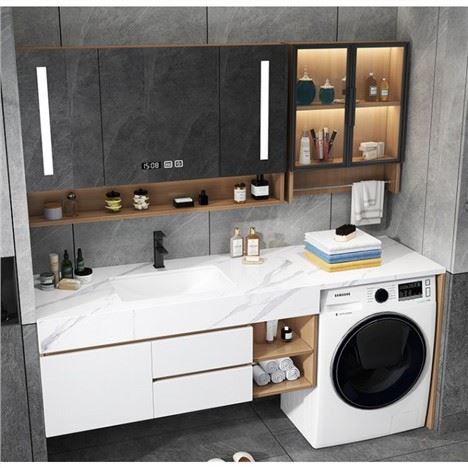
High Gloss PET Bathroom Vanity Wall Mounted
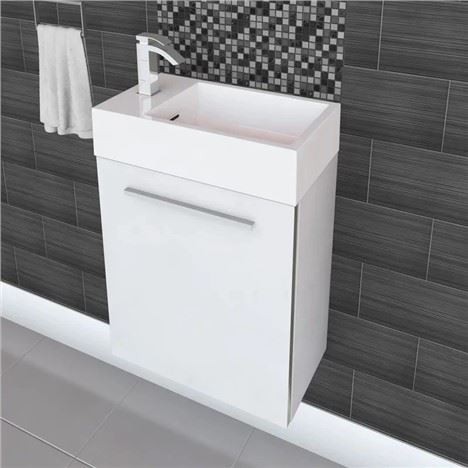
High Gloss Bathroom Vanity Cabinets
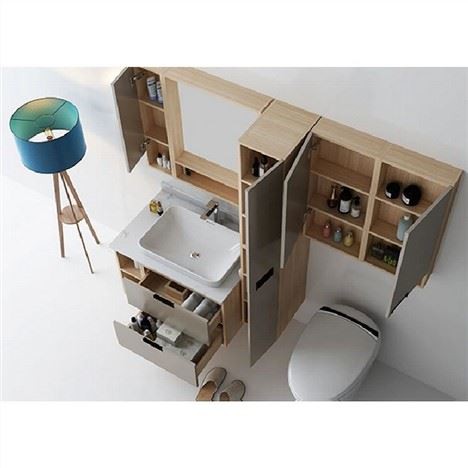
Frameless Bathroom Vanity
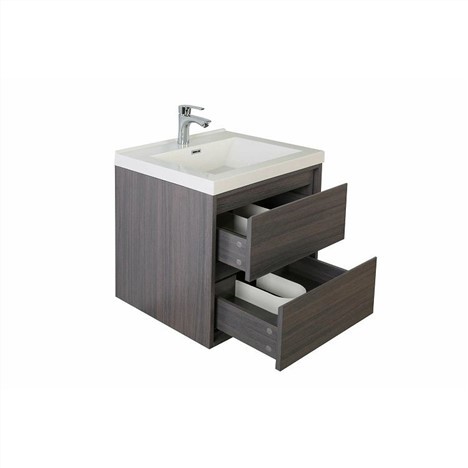
Floating Bathroom Vanity
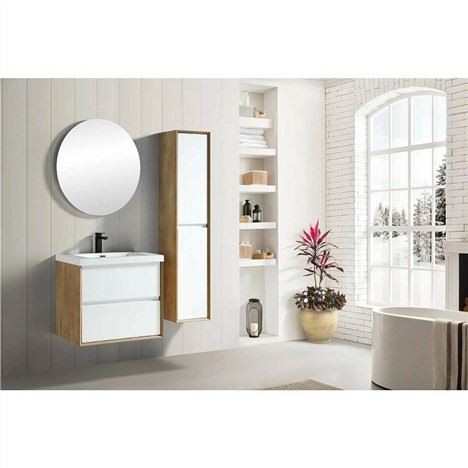
High Pressure Laminated Hotel Bathroom Vanity
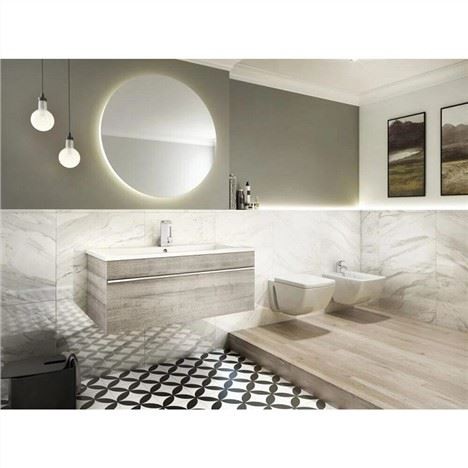
Modern Design Bathroom Vanity
What is Floating Vanity
A floating vanity is a bathroom ca binet that is mounted on the wall and appears to float above the floor, which creates more usable space for stashing pieces like a wastebasket or a scale. It means the flooring can extend all the way to the wall, instantly makes a bathroom appear more spacious. After all, a little foot room under the sink goes a long way. Also, the floating vanities come in a variety of styles, from slim profiles to larger designs with multiple cabinets.
01
Easy to Clean
After the installation is completed, the bottom of our floating dresser is suspended, which is very easy to clean and will not hide dust or any small objects, such as bottle caps, cotton swabs, etc.
02
Multi Structures
Our wall mounted vanities are available in a variety of designs, from traditional shaker designs to modern handleless styles to transform your bathroom design.
03
Rich Colors
These vanities support a personalized color customization service, allowing you to specify the exact color you want, or you can choose from our standard color range.
04
Flexible Sizes
These vanities are flexible in size to suit any bathroom from small to spacious, and can be made to your exact specifications so it blends perfectly into your bathroom.
In small bathrooms where space is at a premium, a single-sink floating vanity is the best choice. Offering a simple and modern look, this type of vanity is a good fit. It provides a single prep area and exposes more floor space for a larger look and feel in the bathroom. As with other vanities, floating vanities are available in various styles and materials, from traditional to modern. They also come in varying widths, allowing you to accommodate your space appropriately.
For larger bathrooms, a double-sink vanity is a great addition. Two people can get ready for the day at the same time. Despite the double-duty capabilities, this style of vanity creates a cohesive look in your bathroom space.
Dual floating vanities are matching — but unconnected — vanities that attach to the wall individually. Stylistically, installing dual vanities can be a great way to highlight your chosen vanity style. Say you choose two rich wood vanities with granite tops and vessel-bowl sinks, for example. The twin vanities draw extra attention to the attractive, floating design of your pieces.
Another stunning option is a wall-to-wall floating vanity that spans the full width of a wall in your bathroom. Thanks to the extended length, this style of vanity feels more like furniture than a simple fixture. Its floating design creates a minimalist look that works beautifully in both modern and traditional bathroom designs.
Instead of removing giant sections of drywall, fixing the supports for your vanity in place, and then patching up the mess, we recommend you get a piece of lumber that is about as long as the wall-hung vanity you want to install. The benefit of using lumber instead of mounting directly onto your wall is that you can add space for any pipes which may be protruding, as well as extra support for your vanity. You’ll need a cordless drill, a saw (could be a circular saw, table saw, or a hand saw with a chisel), deck screws, rear bars, and a drywall saw or knife. Additionally, you’ll need some screwdrivers for adjusting the brackets. And, of course, the floating vanity.
To get started with the process of installing a floating vanity, you’ll want to first outline the location of where your vanity will sit on your wall. After that, use a stud finder to identify the perfect placements for your solid fixings. Begin drilling rear bar holes along your outline at critical support sections. In each hole, place your rear support bars so they hang out halfway. This outline should match the height of the inserts on the back of the wall-hung vanity. Check your vanity to determine the right height and also consider how high you want your vanity to be.
Architectural design & planning cepteur sint occaecat cupidatat proident, taken possession of my entire soul, like these sweet mornings of spring which I enjoy with my whole...Architectural design & planning cepteur sint occaecat cupidatat proident, taken possession od my entire soul, like these sweet mornings of spring which I enjoy with my whole Lorem ipsum dolor sit ament, consectetur adipisicing elit,sed do eiusmod tempor incididunt labore et dolore magna aliqua. it enim ad minim veniam.
Now for the creative part of how to install a floating vanity; the paint. First, paint the wood to match the color of your drywall, and add any protective coating you feel is fitting. Then, position the wood into place, adjusting where necessary to make it level. Once the wood is fixed, screw it into place and consider using angled screws on either side for a sturdier hold. You don’t have to do any more work on this section as it will be covered by the back of your wall-hung vanity.
Get the mounting brackets supplied with your vanity and screw them into place to ensure strong support and mount the vanity into place. For wooden vanities, you can apply glue to your support bars and mount the vanity with a helping hand. Make sure everything is well lined up when for a clean and stylish finish. You can place a few items inside the vanity to see how it holds up. At this point, you should already have a complete picture of how to install a floating vanity in your bathroom.
Ways to Expand Visual Space of Floating Vanity
Elevated Appeal – “Larger than Reality”
Suspending a vanity instantly gives the perception of more openness. Unlike traditional vanities that sit on the floor, floating vanities are wall-mounted. This reveals more floor space, instantly making your bathroom appear more expansive. And as long it’s kept clean, a clean floor below tricks the eye into perceiving a space larger than reality. You can even add decorative tile, wallpaper, or flooring, such as checkered floors, or tiles painted a complimentary color to your vanity, to further broaden the feel of the space. An optical illusion, perhaps, but quite impressive when done right.
Streamlined Design – “Opt for Minimal or Modern, Sleek Vanities”
Floating vanities often come in sleek and minimalist styles. Generally, the more delicate and streamlined the design, the less visual bulk it conveys. Floating cabinets or vanities around 19 inches deep are usually deep enough to prevent clutter. By eliminating excess bulk and only showcasing the essentials – clean lines, storage, minimal ornamentation – a modern, clean-cut floating vanity can drastically make room for a clutter-free, airy atmosphere. More white and clear space to streamline your bathroom into a truly memorable and relaxing sanctuary.
Customizable Height – “Use Height to Your Advantage”
With a floating vanity, you can easily mount your vanity at your preferred height. Traditionally, the standard or old-school classic height for a floating vanity installation is somewhere between 30 and 32 inches. For today’s modern era, the range varies between 28 and 36 inches from the floor. View more information on how to install a floating vanity – like a professional – here. Although typically we recommend mounting your vanity closer to normal heights, it is possible to place your vanity slightly higher, to help amplify the “spacious” effect of a floating vanity. If you choose to do so, though, be sure to use sound judgment to make sure that your vanity height would be comfortable enough for you and your loved ones day in, and day out.
Creative & Versatile Storage Options
The goal is to have both storage and an amazing-looking bathroom, right? To do so, opt for models with built-in drawers or open shelving underneath. This utilizes vertical space efficiently and keeps your essentials organized without consuming floor real estate. This can be a great way to add beautiful hanging storage to your bathroom, through the clever elegance of a vertical solution.
Go Transparent with Glass & Work in Some Mirror Magic!
Glass is clean, simple, and versatile. Pairing your vanity with a clear glass shower partition, for example, can create a seamless look for your bathroom, ensuring your stunning vanity is the main clear focal point of your space. Additionally, strategically placed mirrors can also visually double your spatial dimensions. By positioning a floating vanity against a large mirror, for example, you create a reflected image that expands the sense of your bath space infinitely. The main objective of both techniques is to maintain a clear, unobstructed view. Ultimately, cultivating an open ambiance just right for your personal bathroom spa-like sanctuary.
Enhance with LED Lighting
To further create an enhanced, spa-like feel for your bathroom, try adding LED strip lights, under-cabinet lighting, or LED-Lit Vanity Mirrors to your vanity. This not only adds a touch of luxury, but also visual depth and stimulus, further enhancing your bathroom’s ambiance and space.
Colors are Everything” – Set the Mood with Neutral Tones
While floating vanities come in various colors, lighter and neutral shades can keep your bathroom feeling expansive, spacey, and ethereal. Keep your bathroom feeling light and airy with these colors:
This is the most important aspect of the floating vanity. It will not be possible to provide the support necessary for a floating vanity without a significant structure providing the foundation. We recommend that any floating vanity application is mounted directly into a structural wall. The structural material, often wooden studs, used must provide sufficient “bite” for mounting fasteners in order to ensure full optimization of your mount system’s carry capacity.
With an adequate support substructure the floating vanity should be tied into that structure by a vanity mounting system that extends a strong support out and under the floating vanity. Vanity mounting brackets made of heavy duty metal material provide the best solution for mounting systems. Take care to ensure that any mounting system is resistant to corrosion from the bathroom environment. Using a material that naturally resists corrosion, such as stainless steel, or a metal that is completely coated to be rust prohibitive can achieve this.
Any floating vanity will require a water supply and drain that is located in the bathroom to accommodate the vanity. Supply lines positioned too close to perpendicular walls or other obstructions in the bathroom may limit or prevent the use of a Floating Vanity. Additionally, ensuring that the tubing or piping is insulated to prevent rough or sharp edges is ideal for accessibility and ADA compliance.
A Floating Vanity can be crafted to fit in almost any configuration or space. However, if a bathroom does not provide adequate space for a properly supported floating vanity, we recommend considering other vanity solutions. When determining spacing it is important to consider the complete floating system including vanity, vanity shelf (if incorporated) and supporting system.
Perfect Organized
If you’re one of those people who geek out over towel folding, love organizing your cotton swabs and can find your lipstick in under a minute, a floating vanity lets you display your storage zen with under-sink open shelving.
01
Streamline the Sink
Achieve a modern flow by choosing a monochromatic wall/sink/floating vanity combo. In addition to an elegantly minimalist look, it will also show off your bathroom's other showstoppers, like a freestanding tub or gorgeous view.
02
Accommodate Every Height
Standard vanities only rise so high, but floating vanities can soar at any height: Taller or shorter users can install a wall-mounted vanity at the height they like best.
03
Puts Your Tiles on Display
Why cover up half the wall with cabinetry when you can show off more marble or porcelain? Float the vanity, and extend the tile all the way down to the floor.
04
Ideal for Every Member
With plenty of open space underneath, a floating vanity means you have room for a toddler's stepstool or a grandmother's walker or wheelchair. And that means happier washing for all.
05
You May Have Limited Storage
Depending on the style of floating vanity you choose, you may find that it offers less storage space when compared to traditional vanities with cabinets that extend to the floor. Since they lack a bottom cabinet, the storage options on wall mounted vanites are usually limited to drawers or shelves, reducing the capacity for storing larger items. However, this can be a good thing if you want your bathroom to remain as clutter-free and tidy as possible.
There Can be Installation Challenges
Installing a floating vanity requires proper wall support and can be more complex than installing a floor-mounted vanity. While it is not the most difficult task in the world, you still need adequate wall reinforcement to ensure the vanity is securely attached to the wall, especially if it will bear significant weight.
You May Experience Height Limitations
While adjustable height is listed as a pro, it can also be a disadvantage. Depending on the design and installation, floating vanities may have height restrictions due to plumbing considerations. This can limit the flexibility of the vanity height adjustment and might not be suitable for some individuals’ needs. This should not be a problem in a brand new build, but if you are renovating an older bathroom, this may be a challenge.
You May Have Visible Plumbing and Maintenance
Lorem ipsum dolor sit amet,consectetur adipiscing elit. Ut elit tellus,luctus nec ullamcorper mattis,pulvinar dapibus leo.
Factors to Consider When Choose Floating Vanity
Pre-sales consultation
Professional engineers can provide sprocket expertise consultation and professional advice on product selection, design, installation, and maintenance.
Style
Your vanity is one of the most noticeable elements in your bathroom, so it's important to choose a style that complements the overall look and feel of the room. Traditional vanities with ornate detailing are a popular choice for classic bathrooms, while modern vanities with clean lines and minimalistic designs are perfect for contemporary spaces.
Material
Vanities can be made from a variety of materials, including wood, glass, metal, and stone. Wood is a traditional choice and can be stained or painted in a range of colors. Glass and metal are more modern materials that add a sleek and contemporary touch to any bathroom. Stone vanities, such as those made from granite or marble, offer durability and luxury.
Sink Type
There are a variety of sink types to choose from, including undermount, vessel, and integrated. Undermount sinks are installed below the countertop for a seamless look, while vessel sinks sit on top of the countertop for a more dramatic effect. Integrated sinks are part of the countertop and can be made from the same material.
Storage Space
Since wall hung vanities are elevated, the plumbing pipes and connections are exposed beneath the sink. This may require additional effort to conceal or integrate the plumbing elements into the design in a pleasing way. Additionally, any maintenance or repairs to the plumbing may be more challenging to access and resolve.
If you’re replacing an existing vanity with the same size, simply measure the length, width, and depth of your current vanity and choose a replacement with the same dimensions. If you’re starting from scratch, your bathroom’s available space will dictate your next steps.
To find the width of your space, measure from wall to wall (side to side), taking into account where your bathroom and shower doors swing. Make sure these doors won’t hit your vanity. To accommodate a single-sink vanity, you’ll need at least 18" of width available. For a double-sink vanity, you’ll need at least 48" of width available. Remember that the vanity top will typically add ½ to 1" on either side of the vanity width.
To find the distance of usable space, measure from the back wall outward. Remember: you’ll need clearance for vanity drawers and doors to open, and enough room for a person to pass by easily. We recommend at least 30" of clear floor space in front of your vanity in order to feel comfortable walking through. The most common vanity depths are 17" – 24".
To find the right height for your vanity, measure from the floor up, factoring in faucet height and existing features, like the placement of a potential backsplash and electrical outlets. For floating vanities, adjust the mounting so your countertop sits waist-high (or slightly lower for small children). The standard vanity height is 30" – 36".
A single floating bathroom vanity is a stylish addition to any bathroom, offering both functionality and aesthetics. To ensure that your investment maintains its pristine appearance for years to come, it's essential to follow a regular maintenance routine. In this blog post, we'll provide you with valuable maintenance tips to help you keep your single floating vanity looking like new.
Professional Maintenance
For deep cleaning or repairs beyond your expertise, consider hiring a professional. They can address issues like scratches, dents, or more extensive damage.
By following these maintenance tips, you can ensure that your single floating bathroom vanity remains a focal point of your bathroom's design, maintaining its beauty and functionality for years to come.
Routine Cleaning
Regular cleaning is the cornerstone of maintaining the beauty of your single floating vanity. Dust and wipe down the vanity's surface and hardware using a soft, damp cloth. Avoid abrasive cleaners or scouring pads, as they can damage the finish.
Protect Against Water Damage
Floating vanities are often placed in bathrooms, where moisture levels can be high. To prevent water damage, make sure there are no leaks in your plumbing and promptly address any issues. Consider sealing the vanity's edges to protect it from moisture infiltration.
Avoid Heavy Impact
Be cautious when placing heavy items on or near your vanity. Avoid slamming cabinet doors or drawers, as this can cause structural damage over time.
Avoid Harsh Chemicals
Steer clear of harsh cleaning chemicals or abrasive solutions when cleaning your vanity. These can harm the finish and may lead to discoloration or scratches. Opt for mild, non-abrasive cleaners to preserve the vanity's appearance.
Use Coasters and Mats
To prevent damage from hot hair tools, cosmetics, or wet items, use coasters, mats, or trays on the vanity's surface. This will help safeguard the finish from heat and water.
Rejuvenate the Finish
Over time, the finish on your single floating vanity may lose some of its luster. To rejuvenate it, consider using a wood cleaner or furniture polish. Always follow the manufacturer's recommendations for product use.
Care for the Sink
If your single floating vanity includes a sink, pay special attention to it. Clean the sink regularly to prevent soap scum buildup and water stains. A mixture of vinegar and water can work wonders for tackling these issues.
Inspect and Tighten Hardware
Periodically inspect and tighten the vanity's hardware, such as handles and knobs. Loose hardware can cause damage to the vanity and make it less functional.
Check for Rust and Corrosion
If your vanity has metal components, inspect them regularly for signs of rust or corrosion. Promptly address any issues to prevent them from worsening.