 Language
 Language
Artz Master Cabinet Sdn.Bhd.
Add: Lot 11936, Jalan Perajurit 1, Telok Gong, 42000 Port Klang, Selangor Darul Ehsan, Malaysia.
Email: sam@artzmaster.com
Why Choose Us?
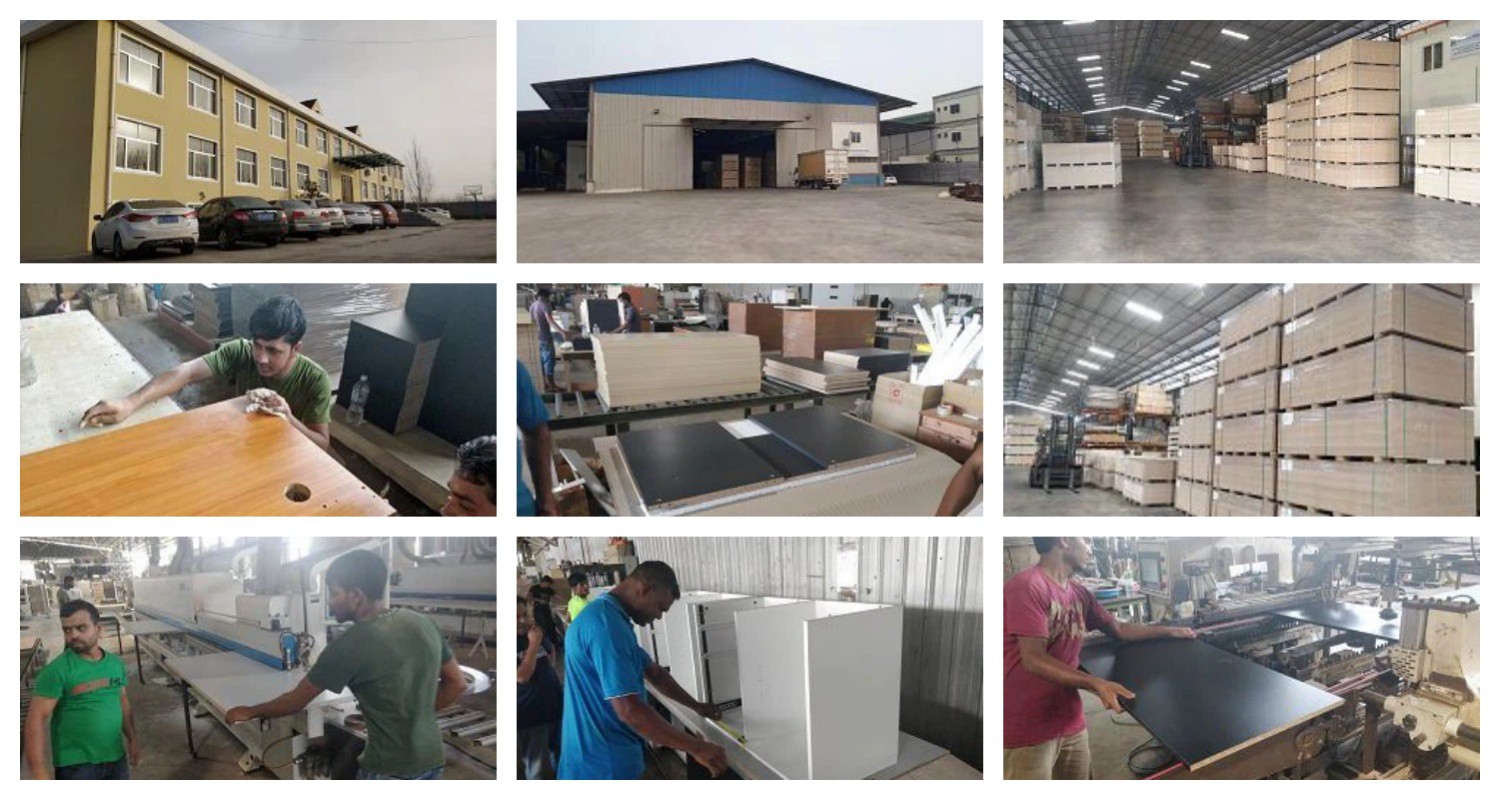
Artz Master Sdn. Bhd. is a professional manufacturer and supplier of kitchen cabinets. We have 2 factories, namely a veneer lamination factory and a mechanical processing factory, which are located in Malaysia with a total area of 200,000 square feet. Our professional team consists of 120 employees with many years of experience in cabinet product export as well as hot melt melamine pressing equipment, which can provide our customers with mass customization without being limited by the size of the project.
Well Equipped
Our factory is equipped with complete production equipment, including CNC punching, heavy-duty automatic edge banding lines and various design software, and can independently complete processes such as product modeling, machine interconnection, communication and product manufacturing.
Quality Guaranteed
We provide boards with seamless edge sealing to improve product standards. All products have passed ISO and JIS certification and obtained CARB P2 certificate to ensure that the materials are environmentally friendly.
Wide Range of Products
We have a wide range of products such as flat panel based furniture including kitchen cabinets, bathroom vanities, wardrobes, office furniture, living room furniture, etc.
Good Reputation
Most of our products are exported to the United States, Canada, Australia and Europe and have won high praise from customers because of their excellent quality.
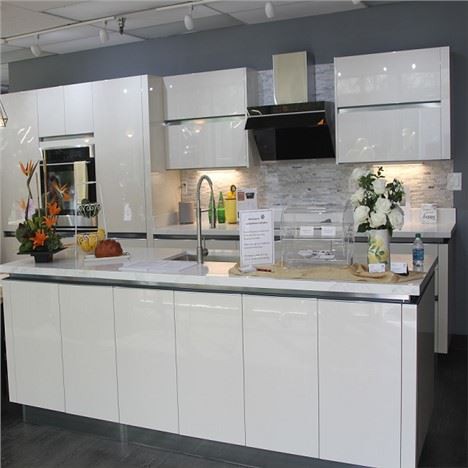
High Gloss Acrylic Kitchen Cabinet
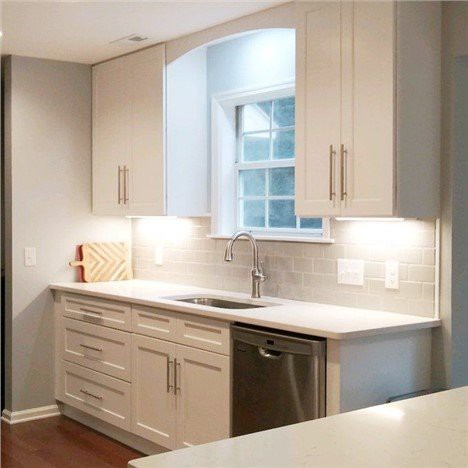
Assembled Kitchen Furniture
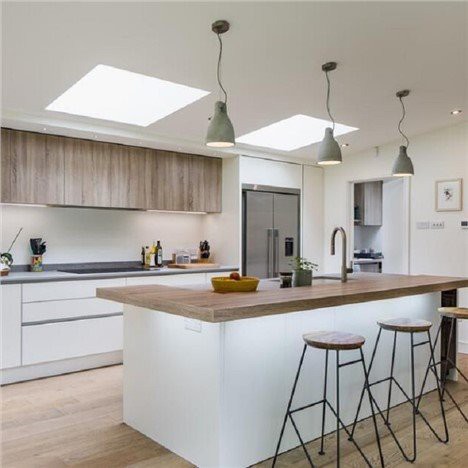
Melamine Faced Kitchen Cabinet
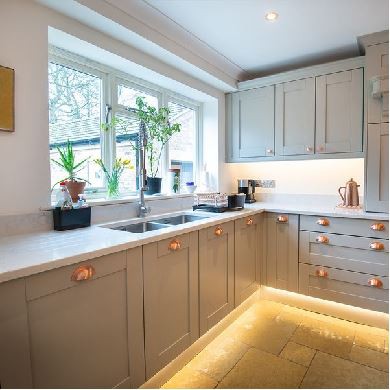
Lacquer Kitchen Furniture

High Gloss Acrylic Kitchen Cabinet

PVC Thermofoil Door

High Pressure Laminated Kitchen Cainet
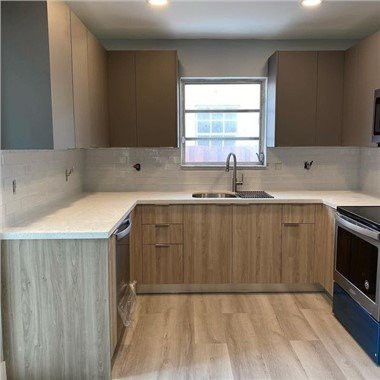
European Kitchen Furniture
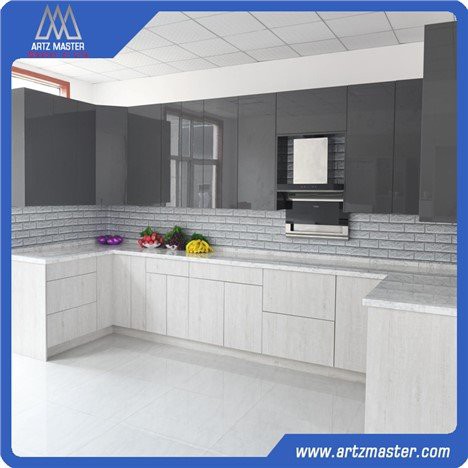
High Gloss Kitchen Furniture
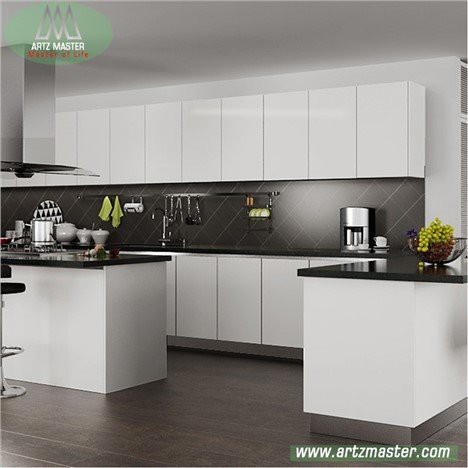
High Gloss PET Kitchen Cabinet
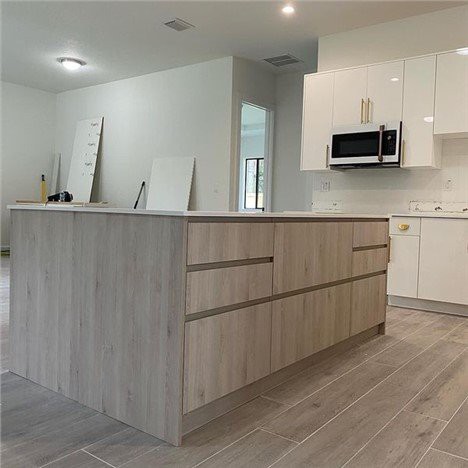
HPL Kitchen Cabinet
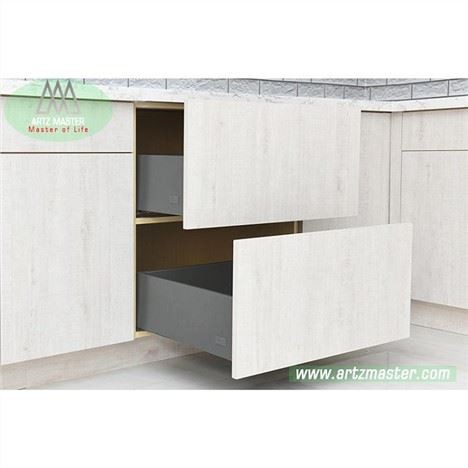
Frameless Kitchen Furniture
Frameless cabinets, also known as "full-access" cabinets, are cabinets that do not have a face frame attached to the front of the cabinet box. This style originated in Europe and is often used to achieve a sleek, contemporary look. In frameless construction, cabinets do not have a face frame attached to the front of the cabinet box. There is not an inside edge of a frame projecting into the cabinet opening. This allows an easier access to the cabinet interior as well as a larger opening to store plates, platters and cookware.
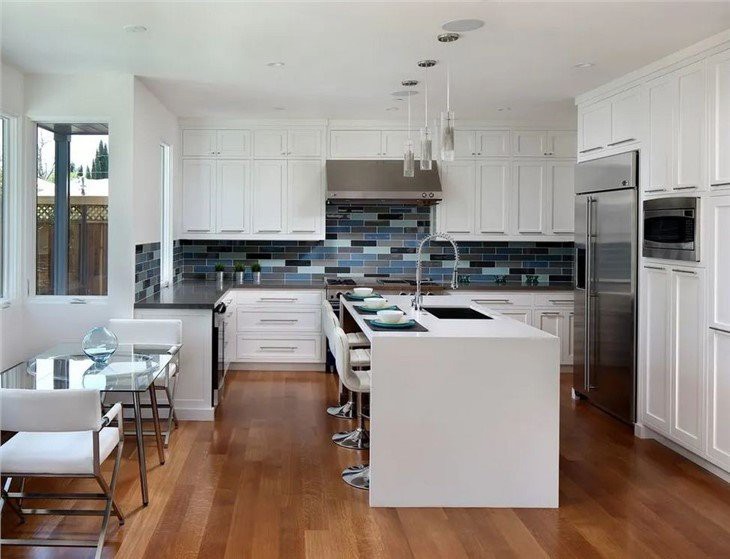
Features of Frameless Cabinet
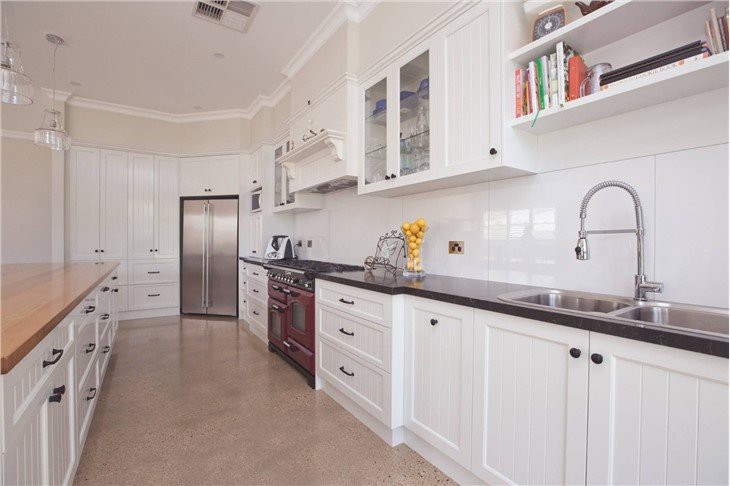
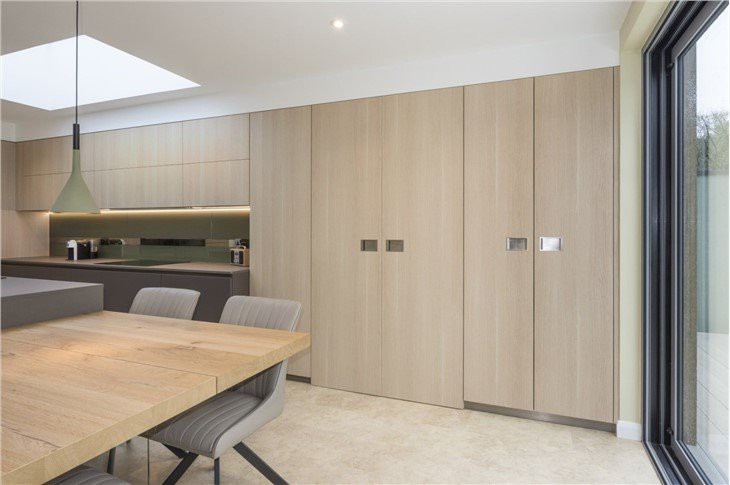
Multi Paints
Our wide range of paint colors brings a fresh and modern feel to your cabinets, including cream, white, light blue, reddish brown and more. The modern painted finish of these cabinets will serve as the perfect backdrop for all your culinary creations.
Rich Sizes
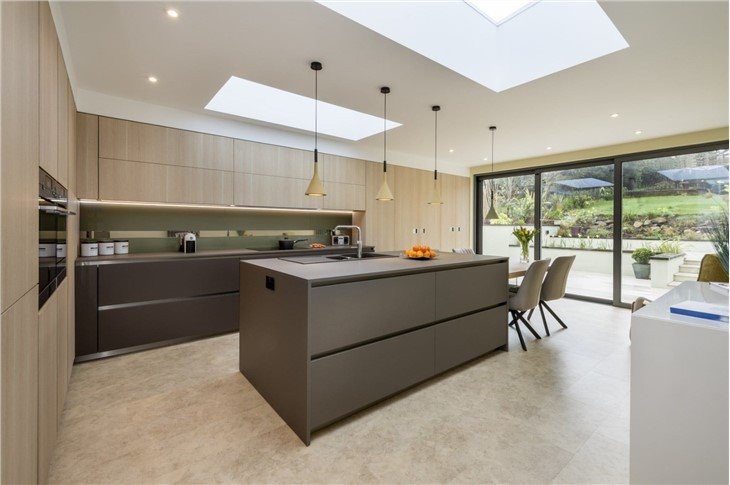
These frameless cabinets are available in various styles of cabinet box options. If you don't see the exact dimensions you need, we're here to help you personalize your cabinet dimensions to perfectly fit your space.
Durable Material
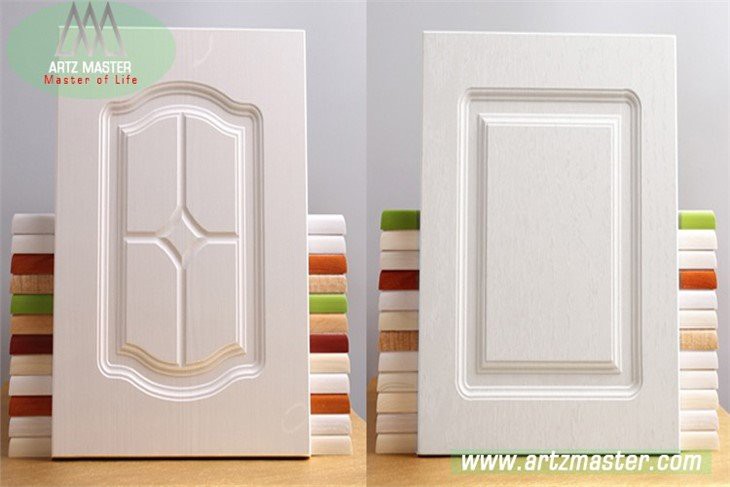
Made from plywood and solid wood, these cabinets feature plenty of soft-closing hardware to create a clean, sophisticated look and ensure a strong, durable structure.
Easy to Install
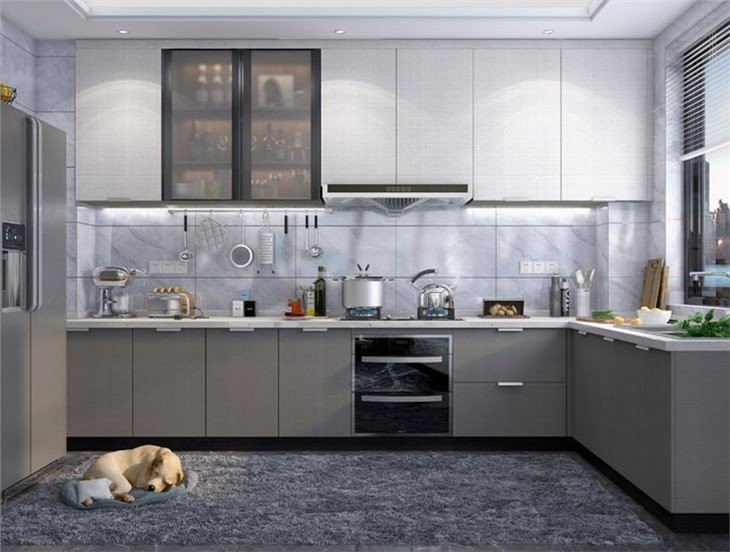
Our frameless cabinets feature flexible installation with every component and hardware adjustable to support fast installation and easy maintenance.
Commercial Applications
When it comes to Custom Casework in a Commercial Application – it is often designed with cost and efficiency in mind. Frameless Cabinets are often constructed using Melamine Coated Particleboard with a PVC Edgeband to match the exterior Plastic Laminate.
This allows parts to be cut in volume using a CNC Router or Beam Sam. The case parts are then sent through an Edge Bender and assembled. The end result is a cabinet that can be manufactured quickly – which means reduced labor costs for the end-user. In addition, the material selection makes Commercial Casework durable and easy to clean.
Residential Applications
Most Frameless Cabinets in a Residential Application are found in either Kitchen or Bathroom Remodels. There are really two types of cabinets here – the type you’ll find at Home Depot, Lowes, or IKEA and Custom Cabinets built to order. They are very different from one another as the former will use thin particleboard and the latter will usually be produced using Plywood.
Like Commercial Applications, the benefit of Frameless Cabinets is reduced labor costs and increase efficiency in manufacturing. The current trend for Custom Cabinets is to use Pre-Finished White Maple Case Parts with a 5-Piece Full Overlay Door. This provides a less expensive carcass while allowing the customer to dress up the cabinet with a decorative door.
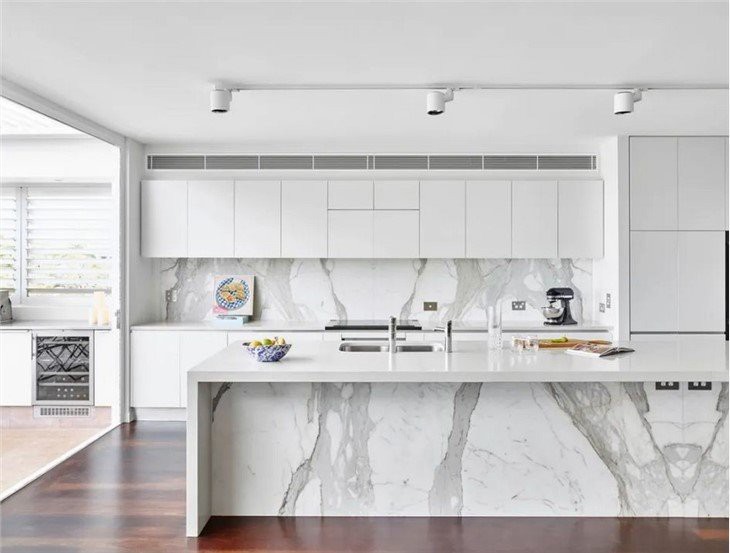
Construction Elements of Frameless Cabinet
About Overlays
Door overlay is defined as how much a cabinet door covers or overlaps the face frame. Cabinet doors can have three different overlays:
(1)Full Overlay
Refers to the doors and drawers covering the face frame entirely. Frameless cabinets typically come in full overlay. With a lower cost, full overlay cabinet doors provide the greatest amount of storage.
(2)Partial Overlay (Traditional)
Means the cabinet doors and drawers only partially cover the frame. This is the most common and least expensive option. Typically, the overlay leaves about 1 to 1 ¼-inch between doors and drawers.
(3)Full Inset
Is when cabinet doors and drawers are designed to fit within the face frame. On occasion, frameless lines will embody the full inset. This smooth and clean look will probably increase the cost of your cabinets and can, unfortunately, leave smaller storage spaces.
Other door details can include raised panel, which is when the center panel of the door is elevated. Recessed panel which is where the center panel is set in lower than the door frame.
Dovetail Construction
Dovetail construction (or dovetail joints) is one of the strongest ways to join two boards together. Why? In incorporating dovetail, the ends of the two boards have v-shaped cutouts that fit in and correspond to the notches on the adjoining wood panel. They are interlocked together on right angles.
Full vs. 3/4 Extension Drawers
We’ve been talking a lot about cabinets and doors, and now it’s time to give drawers some love.
It’s important to think about functionality when designing a new kitchen or remodeling an existing one. This comes down to drawer details, specifically deciding on how far you want the drawers to extend out.
You’ll be able to open drawers the full length of the slide with a full drawer extension. This allows for greater access, especially if you’re using this drawer to hold smaller items. ¾-drawer extension means the drawer slide will only come out three-quarters of the entire length, leaving part of the drawer in the cabinet. While it doesn’t provide as much access, it is a good economical option.
We did an analysis of the storage space advantage of frameless vs. framed cabinetry. Better made framed cabinets usually use 1/2″ thick sides and a solid wood face frame with horizontal and vertical pieces 1 1/2″ wide x 3/4″ thick. Better made frameless cabinetry uses 3/4″ thick sides and the cabinet has no front at all. This means that the hinges and drawer tracks are all attached to plywood or particle board sides on a frameless cabinet as opposed to solid wood on a framed line. However, it also means that all roll outs, drawers, and pull outs must pass through the reduced size opening in the front of a framed cabinet.
What’s the difference in storage between the two options
Let’s do the math! First, the inside of both boxes is essentially the same since the width of the inside of a cabinet is identical in both framed and frameless examples. While the frame does take up a tiny bit of space it is far less than 1% of the total cabinet space. It is only in the drawers and the roll outs that space is reduced significantly by the moving parts needing to pass through a smaller cabinet front opening. This also means that both framed and frameless wall cabinets contain the same amount of space. This is because it is only in the base cabinets and the bottom of the tall cabinets that drawers and roll outs can be used.
Each drawer or roll out in any cabinet will lose 3/4″ of space on each side so that the inside of every drawer in a framed line will be 1 1’2 ” narrower than in a frameless line.
For an average cabinet of 24″ in width this means that the storage capacity of any drawer or roll out is reduced about 8%. More in narrower cabinets but less as the cabinet gets wider. A cabinet to have all drawers or all roll outs the most that the storage space would be reduced on average would be 8 %. A cabinet with only a top drawer would only lose storage space for that top drawer and the cabinet below would hold the same amount. So, without roll outs a typical base cabinet with only a top drawer would lose at most 2% total storage. We are simplifying the calculations due to some other minimal factors we are not taking into account, but we are also being liberal in the overall storage savings.
A 4% loss of storage space is not such a large number.
By comparison choosing a range and a microwave hood above it in a kitchen can save 10% of the total storage in a small kitchen versus a design using a cooktop and a wall oven and microwave wall oven with a hood above the cooktop. Dividing cabinetry to create small spice pull out cabinets or tray divider cabinets can lose a similar 4% in a small kitchen. Even adding decorative 3″ wide legs on either side of a cooktop or sink would lose 5% of the base cabinet storage in a small kitchen, 10% if you did it in both places.
Frameless cabinetry is less durable than framed cabinetry because there is no solid wood front on the cabinet.
Cabinet fronts protect the cabinet box and frameless cabinet front edges are just 1/4″ thick edge banding at best. Having hinges and tracks screwed to the solid wood frame and screwing each frame to the face frame next to it is what makes well-made framed cabinetry capable of holding up over a lifetime. Face frames do get in the way which is why frameless cabinetry is also called “easy access cabinetry”.
If you want very contemporary slab doors in your kitchen these modern styles look better on frameless European style cabinets.
Door and drawer gaps on frameless cabinets are 1/4″ tighter due to how the frameless hinges operate and that gap makes a big difference in making a contemporary kitchen look sleek, modern, and stylish. Most modern foil, acrylic, and laminate slab doors styles will only be available in frameless cabinet lines. However, raised panel and recessed panel door styles like the popular shaker style look fine in framed lines.
Flexible Visual Appeal
Frameless cabinets offer clean lines and a simple design that works extremely well for modern spaces. A lot of the visual appeal comes from the full overlay doors and drawers that typically have a sleek 2-millimeter reveal. Also, the hinges are always obscured from view. You can take it one step further and opt for handleless doors so that your kitchen wall is totally flat with no visible hardware at all. Instead of handles, these doors have grooves or use magnet-and-spring mechanisms.
More Storage Space
Because frameless cabinets don’t have a face frame, you can enjoy unhampered shelf space. It’s easier than ever to store your extra-large dishes or hide oddly shaped appliances. In addition, you’ll find that it’s simpler to install a trash can or organizers.
Frameless cabinetry offers an estimated 15% more storage. For each cabinet, you have easy access to 3 more inches of space than if you were to opt for framed cabinets. Moreover, each drawer is 1.5 inches wider. If you multiply the number of cabinets and drawers you plan to install, you can see that it adds up to a considerable amount of space.
Easy to Clean
Another advantage of frameless cabinetry is that it's easy to clean. Since there is no frame on the front, you can wipe down the corners with ease. With framed cabinets, it can be hard to tell if there is dirt lurking in hard-to-see places.
Some frameless cabinet makers may also offer doors that have a quick-release button on the hinge. This makes it a cinch to wipe down the doors so you can keep cabinets looking like new.
Sturdiness
The general consensus is that frameless cabinets are just as sturdy as framed ones. Since frameless cabinets don’t have rails or stiles, the sturdiness is achieved by the heavy construction of the box. These cabinets are typically constructed by attaching the top, sides, and bottom of the cabinet box to the back panel with dado joints. Dado joints are considered to be one of the strongest joints in woodworking.
Disadvantages of Frameless Cabinets
Inset Doors are not Available
Cabinet doors that are inset into the frame of the cabinet are not available as there is no frame to mount them on, which means your cabinet doors can only be overlaid on the outside of the door. This is only a negative from a personal aesthetics point of view, however, as the overlay design of frameless cabinetry actually allows more interior space than their framed counterparts.
Claims of Poor Quality Materials
Poor-quality frameless cabinets do exist, but only as a consequence of DIY cabinetry bought from big box stores and self-assembled without proper knowledge of how to screw frameless cabinets together. Proper frameless cabinetry built and installed by a professional will be stronger due to the additional thickness of interior walls required to hold all of the door and drawer hardware in place.
You Still Need Fillers
Even frameless cabinets can’t be entirely free of some form of frames here and there. You still need fillers for frameless cabinets. Corners, doorways, and countertop placement will all affect how much filler wood will be needed to provide a large enough gap to allow doors to fully open and close without crashing into other doors or walls.
With modern and minimalist kitchens becoming one of the most popular styles for home decor, frameless cabinets have risen to the top as a versatile new alternative to classic cabinetry. We offering a series of assembled frameless cabinet lines, get inspired with these four unique styles for frameless cabinetry!
Since frameless cabinets are most commonly found in kitchens that trend toward the minimal, using a high-gloss finish can enhance the polished, contemporary feel that sets the style apart. White and cream shades match a kitchen with a spare aesthetic, but if you’re looking for a pop of color, try soothing blue or black for an even bolder statement.
If your kitchen style tends toward traditional, using frameless cabinets is an easy and beautiful way to modernize a classic cabinet design. The simple style opens up kitchens of any size, and provides more inside storage while blending seamlessly with appliances and walls. We provide a range of wood grain frameless cabinets that mimic classic styles like Shaker and Colonial, while remaining contemporary for a freshly remodeled feel.
If you’re looking for a more natural style, you might want a cabinet veneer that imitates wood grain while still retaining the durability and subtle look of modern cabinets. We use wood core and hardwood veneers to replicate the effect of classical wood styles, including oak, maple, and walnut, as well as exotic ones such as zebrawood and ebony. These darker shades create a luxurious effect particularly in larger kitchens, while light, warmer wood grains give off a cozy feeling for cottage-style or farmhouse designs.
More and more consumers are opting for alternative surfaces like Thermofoil, which provide more durability at a lower price point than traditional hardwood cabinets. Manufactured cabinet materials also allow for a larger range of color finishes, like the Bellini Collection, which comes in over a thousand shades, many of which are unique to thermo-structured surfaces like these. A wide variety of colors lets you go as bold as you want in your kitchen design, which pairs perfectly with the modern style of frameless cabinets.
Hinge Types Suitable with Frameless Cabinets
As you can determine from the name, frameless cabinets don’t have the standard metal frame that other cabinets do. This simple but significant difference limits the type of hinges suitable for frameless cabinets. A mortise hinge, or butt hinge, for example, is the most common hinge for traditional American cabinets. However, a mortise hinge is exposed, and frameless cabinets work best with hidden—European—hinges that include a mounting plate, with the hinges mounted on the inside of the cabinet to hide them when the door is closed.
European Hinge
The European hinge is obviously going to be the ideal choice for European-style frameless cabinets. The European hinge is installed on the cabinet’s interior and allows horizontal or vertical door alignment. It’s the most common hinge for frameless cabinets and gives the cabinet a smooth look that many homeowners desire in frameless cabinets.
Inset Hinge
The inset hinge, otherwise known as the full-crank, is a type of European hinge. It gets its name from the bend in its hinge arm—this hinge is offset from the edge of the door to give the cabinet a flush finish, making it ideal for inset cabinets.
Partial Overlay Hinge
Also known as the half-crank hinge, the partial overlay hinge is another European-style hinge that has slightly less bend than the inset. As you may have guessed, it’s most commonly paired with partial overlay doors as it’s set back further from the door to overlay the frame partially.
Full Overlay Hinge
Last, but certainly not least, is the full overlay hinge. The full overlay is yet another European hinge that features a completely straight arm. The offset for this hinge is much more pronounced than the inset or partial overlay, allowing the door to overlay the frame entirely.
These are just a few examples of hinges that are perfect for frameless cabinets, but there are plenty more. The type of hinge you choose will primarily depend on your preferred cabinet style, such as inset or full overlay.
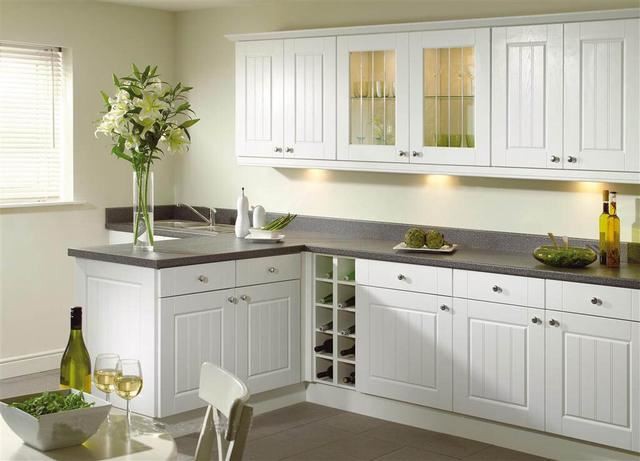
Factors to consider when choose Frameless Cabinet
Style
Face frame cabinets are considered to be a more traditional style but they are also adaptable to many different home styles and can accept almost any door and drawer front. The door and hinge type go a long way in defining the style direction of face frame cabinets. Frameless cabinets are the sleek, modern choice. Typically the hinges are hidden and there is no space between the doors and the frame which creates a super clean look.
Doors
The door style for frameless cabinetry is simple and sleek. They typically take full overlay doors, and that full overlay contributes to the modern look of frameless. Face framed cabinetry works with all three door overlay types so if you want more options for door types, go with face framed.
Storage
Although the difference in storage space between face frame and frameless cabinets is minimal, frameless cabinets offer slightly more space because there is no face frame overhang that takes up cabinet space.
Hardware
Concealed European style hinges are the most common for frameless cabinetry but any type will work. Any hinge type will work for face frame as well—try a visible hinge for an even more traditional American cabinet style.
Accessibility
Frameless cabinets offer full access to the interior of the cabinet without any obstructions which can be handy for storing large appliances. Sometimes, the center stile and face frame overhang of face frame cabinets can block access to the interior and are better for smaller items.
Frameless Cabinet Installation Instructions
The first step is to mark the cabinet position on the wall behind and use a stud finder to ensure there aren’t any hidden cables or pipes. Mark all the stud positions with a pencil.
Next, move the bottom of the cabinet towards the wall, and use a wedge to check if it is level, tapping wedges under the front and each side if it isn't straight. Drill under the bottom corners of the toe kick (the recess that allows space for your feet) at thirty degrees through the toe kick, one inch above the floor, and one inch from the sides.
Screwing through these spaces will secure the cabinet to your floor securely. Next, you can fix the cabinet rail, which runs horizontally at the back of the cabinet. You shouldn't need pilot holes as our cabinets are made of natural wood rather than laminates or imitation materials.
Use three-inch screws to secure the cabinet to the wall, following the stud marks you made earlier. If your wedges are visible, you can trim them down and are left with a perfectly level cabinet. The final phase is to install the doors and drawers using the brackets provided, and your beautiful new cabinet is ready to use!
About the Frameless Upper Cabinets
Fitting upper cabinets is very much the same, although you should mark the location with a pencil and check the line is level, measuring up from the floor and against the ceiling. Adding props between the cabinet and the wall and having a helper to hold the cabinet in place makes the job quicker, and you can screw through the back rail into the wall stud, with one extra screw underneath, towards the bottom.
Fix the shelves and doors, and your work is complete. Here are some quick final tips to help you build your frameless cabinets without a hitch:
Install shelves only after the rest of the cabinet is complete.
Fit the upper cabinets first; it is far easier to assemble and fit a base unit after the wall unit is completed rather than needing to lean or stretch to fix a wall unit above.
Focus on the cabinet box, followed by the doors after your cabinet is fitted to the wall. Frameless cabinets can be heavier than traditional cabinetry, so leaving the doors until the end lightens the weight.
If, in any doubt, a professional fitter can carry out the work for you, but with a little patience, it is certainly possible to build and install your frameless cabinets yourself!
To clean cabinets, the best choice is soft cloths that are lint-free. Great types of cloths to use are soft cotton fabrics such as cheesecloth or chamois. An old t-shirt also works well. Some fabrics may leave lint residue like old flannel shirts or old dish towels.
When cleaning your cabinets, use natural products that won't scratch the cabinet finish or leave sticky residues. Avoid using any cleaning products that contain ammonia, and avoid any abrasive cleaners such as powdered cleaners.
You can make your own cabinet cleaning soap easily with ingredients you already have at home. Mix 2 tablespoons of dish soap into 2 cups of warm water. You can also use a mixture of vinegar and water. Apply the mild cleaning detergent of your choice to your cabinets using a clean, soft cloth or sponge.
While mild soap and water is the preferred solution for cleaning all kitchen cabinet types and finishes, too much moisture is an enemy of wood and wood finishes. For the best results, apply a mixture of soap and water using a soft cloth or sponge. Then, rinse the cabinet with clean, fresh water using a second clean cloth to remove detergent residue.
For tough stains, some water spots respond to white toothpaste or baking soda. Use a non-abrasive wet sponge to clean the cabinet surface, while being careful not to scratch or otherwise damage the surface. Test the cleaner on the interior of the cabinet before you use it on the cabinet exterior for best results.
Avoid hanging wet dishcloths or towels over cabinets or cabinet doors, since long exposure to water will damage the finish and may leave stains. Use a hanging towel rack or consider washing and drying your dishcloths and towels with your laundry.
To keep cabinets looking their best, follow best basic care practices. Immediately clean up any spills, splatters, or water spots with a soft cloth. The sooner you spot clean, the less chance of staining or discoloring the cabinetry.
One part of the cabinetry that is sometimes overlooked is the tops of cabinets, which do collect dust. Although cabinet tops do not need cleaning as often as the front surfaces, they should be cleaned regularly—at least every other week, and more often if you cook regularly.
For a buffed shine on wood cabinets, use a furniture polish after cleaning. Polishes are usually applied using a soft cloth, then buffed to a shiny finish. Polishes contain mild detergents and emulsifiers to clean and shine wood cabinets and leave a protective coat of mineral oil.
Use commercial furniture waxes, sprays, and polishes sparingly on kitchen cabinets. Spray polishes often contain silicone, which does form a shine, but can also create a barrier over the wood. This barrier makes touch ups or refinishing impossible. Waxes form a buildup over time, attracting dust, dirt, smoke, and pollutants from the air.